Durability of Asphalt vs Concrete Driveways in Fort Worth, TX
How Long Does Asphalt Last vs Concrete for Driveways in Fort Worth, TX?
When you're investing in a new driveway in Fort Worth, you’re not just looking for something that looks nice. You want something that’s going to last. After all, this is Texas—we get intense heat in the summer, the occasional ice storm in the winter, and a whole lot of weather in between. So the big question is: what holds up better over time here in Fort Worth, an asphalt driveway or a concrete one? Let’s walk through the pros and cons of each when it comes to durability, especially in our local climate. Because what works up north may not be ideal here, and vice versa.
The Fort Worth Climate: Why It Matters
Before we dive into the materials themselves, it’s important to understand what kind of stress your driveway is going to be under in Fort Worth. Summers here aren’t just hot—they’re brutally hot. Triple-digit temperatures aren’t unusual, and direct sun exposure can push surface temperatures even higher. On the flip side, while we don’t have the kind of harsh winters they deal with in the Midwest, we do get freezing temperatures and the occasional freeze-thaw cycle, especially during those freak ice storms that have become a bit more common in recent years.
This mix of extreme heat and sporadic cold snaps can wreak havoc on any surface material, especially something that’s always exposed to the elements. Driveways in Fort Worth also deal with ground shifting due to clay-rich soils that expand and contract depending on moisture levels. That means the durability of your driveway isn’t just about the material—it’s about how well that material holds up in this specific environment.
Asphalt Driveways: The Pros and Cons in North Texas
Asphalt driveways are a popular choice in Fort Worth, largely because they’re quick to install and generally cheaper up front than concrete. They have a smooth, dark finish that many homeowners find appealing, and they’re also a bit more forgiving when it comes to small ground shifts.
When it comes to durability, asphalt has some strengths, but also a few weaknesses, especially here in Texas. One thing asphalt has going for it is flexibility. It expands and contracts more easily than concrete, which makes it a little less prone to cracking during those freeze-thaw cycles. That’s a definite plus when we do get those surprise cold snaps in February.
But that flexibility comes at a cost. In the intense Fort Worth sun, asphalt can soften, warp, and even become sticky during the hottest part of the summer. That sleek black surface absorbs a lot of heat, and over time, UV rays can dry it out, leading to brittleness and cracking. That means asphalt driveways in Fort Worth generally require regular sealing, ideally every two to three years, to maintain their integrity and appearance.
Even with proper maintenance, asphalt in this region tends to last around 15 to 20 years before you need to start thinking about major repairs or replacement. That’s not bad, especially if you’re looking for a more budget-friendly option upfront. But it’s definitely something to keep in mind if you’re hoping for a longer-lasting solution.
Concrete Driveways: Built for the Long Haul?
Concrete driveways, on the other hand, are known for their long-term durability, particularly when they’re installed properly and maintained well. Here in Fort Worth, a concrete driveway that’s poured with the right reinforcement and proper expansion joints can last 30 years or more. That’s a serious step up in longevity compared to asphalt.
Unlike asphalt, concrete reflects more sunlight and doesn’t soften in the heat, which makes it a bit more stable during our scorching summers. That pale gray surface doesn’t absorb heat as intensely, which can be a relief when you’re barefoot in July trying to grab something from the car. It also handles the UV exposure better than asphalt, meaning it won’t dry out or become brittle in the same way.
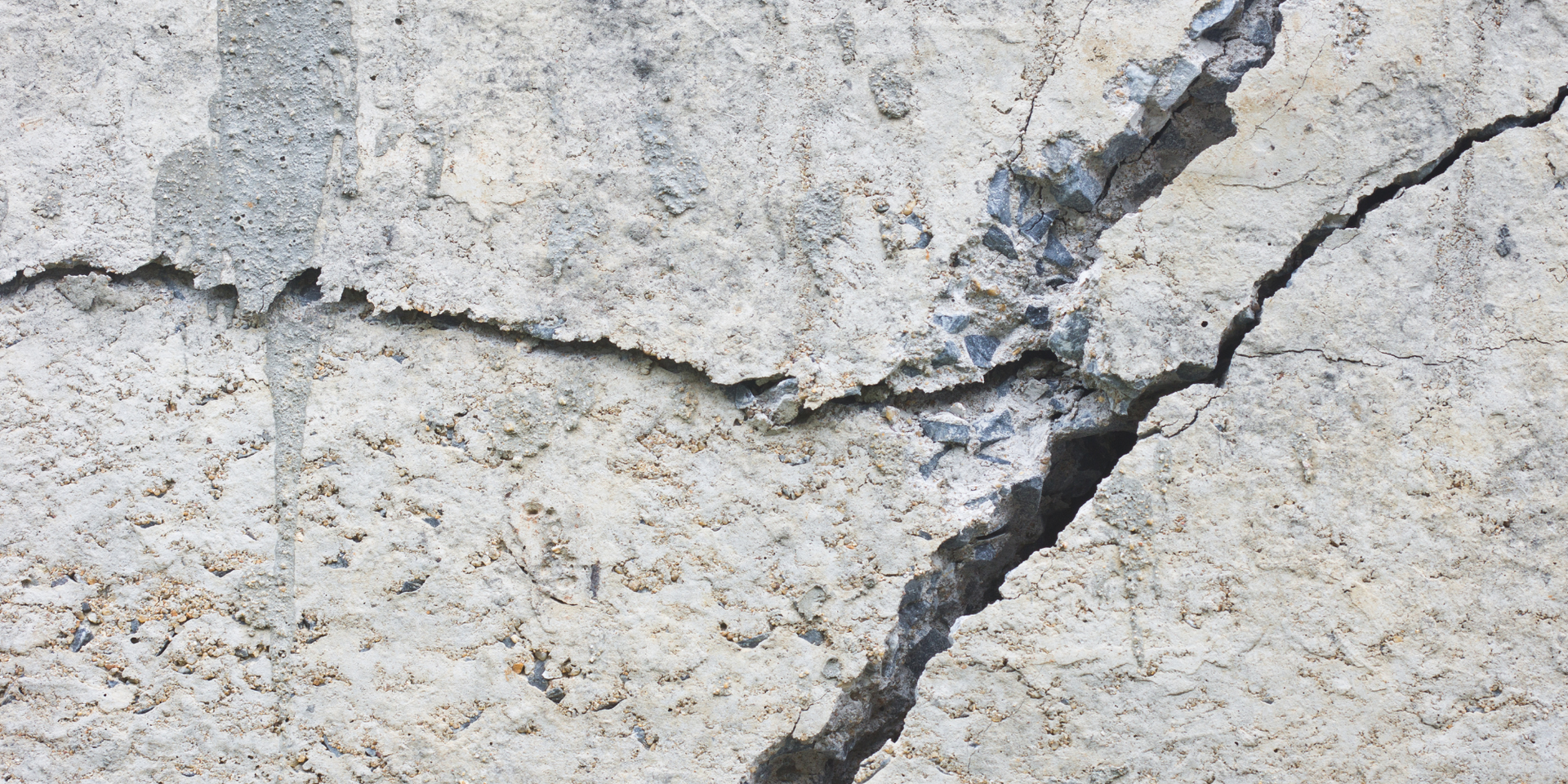
However, concrete has its own set of challenges. The big one in Fort Worth is cracking. Our local soil tends to shift, especially during long dry spells or after heavy rains. Concrete is less flexible than asphalt, so it’s more prone to cracking when the ground moves. Expansion joints help with that, but they don’t eliminate the problem entirely.
When cracks do show up in concrete, they’re usually harder to repair than asphalt. You can fill cracks in an asphalt driveway and reseal it, and it still looks pretty uniform. But patching concrete is more noticeable, and matching the original color can be tricky.
That said, the overall durability of concrete is hard to beat. It doesn’t require sealing as frequently so some homeowners never seal their concrete driveways at all, and it holds up well under heavy loads. If you’ve got a large truck, RV, or even just a few teenagers who haven’t learned to brake gently yet, concrete might be your best bet in the long run.
Cost vs. Longevity: The Long Game
Here in Fort Worth, plenty of homeowners are weighing that initial cost against how long their driveway will last. Asphalt generally runs cheaper up front, and if you’re only planning to stay in your home for another decade or so, it might make perfect sense. It gives you a functional, good-looking driveway for 15 to 20 years without breaking the bank.
But if you’re in it for the long haul, maybe you’ve just bought a home in Tanglewood or Overton Park and you’re planning to settle in, then concrete might be the smarter investment. It costs more initially, but with a lifespan of 30 years or more, you might not have to think about replacing it again for decades.
It’s also worth considering curb appeal. In some of Fort Worth’s more upscale neighborhoods, concrete driveways, especially stamped or stained ones, can add real aesthetic value. That might not be a factor if you’re in a more utilitarian part of town, but if you’re trying to match the look of a custom home or boost your resale value, it could tip the scales.
Maintenance in the Fort Worth Environment
Regardless of which material you choose, maintenance is key. In Fort Worth, the combination of heat, occasional freezing, and shifting soils means no driveway is entirely maintenance-free. With asphalt, staying on top of sealing is critical. That protective layer helps keep out moisture and shields it from UV damage. Ignoring it for too long can lead to surface cracking, potholes, and eventual breakdown of the base.
Concrete requires less frequent maintenance, but it’s not completely hands-off. Sealing every few years can help prevent stains and slow down the wear and tear from weather and chemicals like de-icing agents. Keeping the surface clean and free of oil spills or standing water will also help extend its life.
What’s Right for Your Fort Worth Home?
At the end of the day, the best driveway material for your Fort Worth home depends on a few factors: your budget, how long you plan to stay in the house, how much maintenance you’re willing to do, and how much wear and tear your driveway will see. If you want something that’s quicker to install and easier on your wallet upfront, asphalt is a solid option. Just be ready for a little more upkeep over the years. If you’re after something that will go the distance, stand up to the Texas sun, and still look good a couple of decades down the road, concrete is hard to beat.
Either way, make sure you work with a local contractor who understands the unique challenges of building in Fort Worth. The right foundation, proper drainage, and expert installation will go a long way toward making any driveway, whether asphalt or concrete, last as long as possible in our unpredictable North Texas climate.
So whether you're remodeling a home in Benbrook, building new in North Richland Hills, or updating your family home in Westcliff, take the time to choose the material that fits both your needs and your environment. A good driveway isn't just about what goes on top, it's about how it holds up underneath everything Fort Worth throws its way.
Find This Helpful? Share This Post!